
Our Research
Creating evidence to drive inclusive change
Around the world, children with developmental disabilities and their families experience profound inequities in access to early support, information, and care. Baby Ubuntu’s research responds to this reality by generating rigorous, community-led evidence on innovative, parent-driven approaches that strengthen families and shift systems. By linking inequity to innovation, and innovation to impact, our research ensures that lived experience informs practice, policy, and lasting change.
Addressing inequity to achieve lasting impact
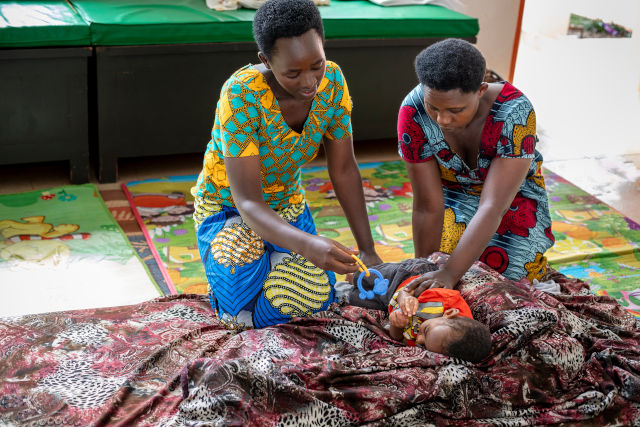
From INEQUITY
Our research highlights the experiences of caregivers raising children with developmental disabilities. Families often face significant inequities, including systemic exclusion, societal stigma, and limited access to early, appropriate support.
Baby Ubuntu is committed to addressing these challenges by providing inclusive resources, guidance, and a supportive community for every family.
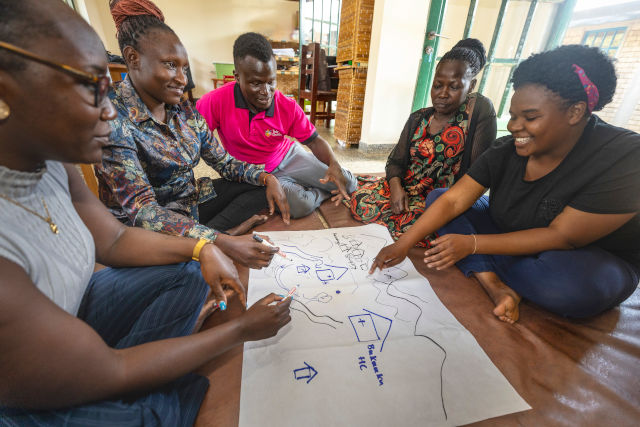
to INNOVATION
We addressed these inequities through the co-creation of a parent-led, peer-support model that centres lived experience, strengthens communities, and works alongside, not around, existing systems
Our research demonstrates that these low-cost programmes are practical to deliver, highly acceptable to families, replicable with fidelity across diverse contexts, and implementable within existing health systems.
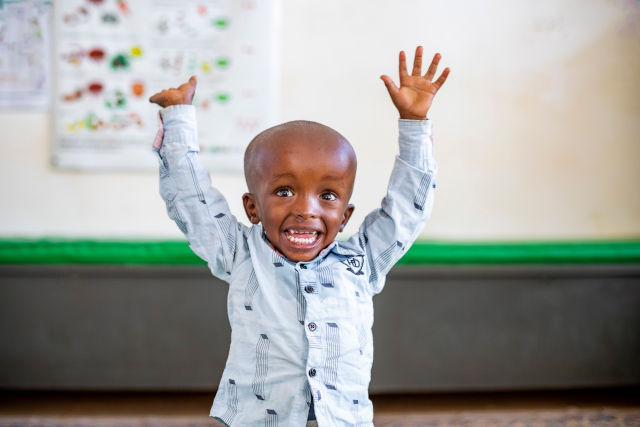
and IMPACT!
Through high-quality research, we have found that caregivers gain knowledge and confidence, enhancing their well-being and quality of life. Children benefit from better support, enabling them to participate fully and thrive.
Communities become more inclusive, with reduced disability-related stigma. Stronger health systems and improved access to care further contribute to positive outcomes for families and children.
Research highlights over the past decade
2026
Evaluating a programme of early assessment, care and support for children at risk of developmental disabilities and their caregivers in Rwanda: the PDC/Baby Ubuntu trial.
Adapting a Participatory Group Programme for Caregivers of Children with Complex Neurodisability from Low-, Middle-Income Countries to a High-Income Setting: Moving from "Baby Ubuntu" to "Encompass".
2023
The economic burden incurred by families caring for a young child with developmental disability in Uganda.
https://doi.org/10.1371/journal.pgph.0000953
2022
Early care and support for young children with developmental disabilities and their caregivers in Uganda: The Baby Ubuntu feasibility trial.
https://doi.org/10.3389/fped.2022.981976
Early detection and intervention for young children with early developmental disabilities in Western Uganda: a mixed-methods evaluation.
Livelihood support for caregivers of children with developmental disabilities: findings from a scoping review and stakeholder survey.
https://doi.org/10.1080/09638288.2022.2160018
2021
Surviving and Thriving: Early Intervention for Neonatal Survivors with Early Developmental Disability in Uganda Infants Young Child.
Early intervention for children with developmental disabilities in low and middle-income countries - the case for action.
https://doi.org/10.1093/inthealth/ihaa044
2018
Early Childhood Outcomes After Neonatal Encephalopathy in Uganda: A Cohort Study.
https://doi.org/10.1016/j.eclinm.2018.12.001
2015
Maternal experiences of caring for an infant with neurological impairment after neonatal encephalopathy in Uganda: a qualitative study.
Our Impact
Our impact told though
research and stories.
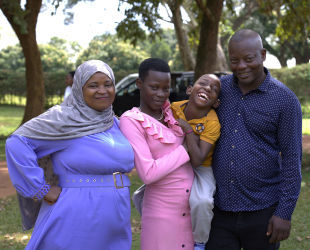
Our Stories
Hear from families and
partners what Baby Ubuntu has meant to them.
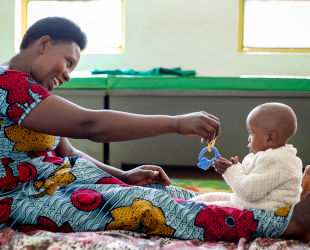
Our Publications
Our research highlights